BLOG
Your AI agents can fly. Without an agentic orchestration platform, nobody lands.
25 November 2026 | Ivan Tadic
Tuesday morning at your company. The agent your team built last quarter is doing exactly what it was built to do: reading a supplier request, checking three systems, and drafting a flawless reply in under a minute. The demo room applauds, and you are asked the question nobody planned for: what happens next?
The supplier will only respond next week. The approver is on leave. One system goes down for maintenance on Thursday. Your agent finished its part and went home. The case is still open, and nobody owns it.
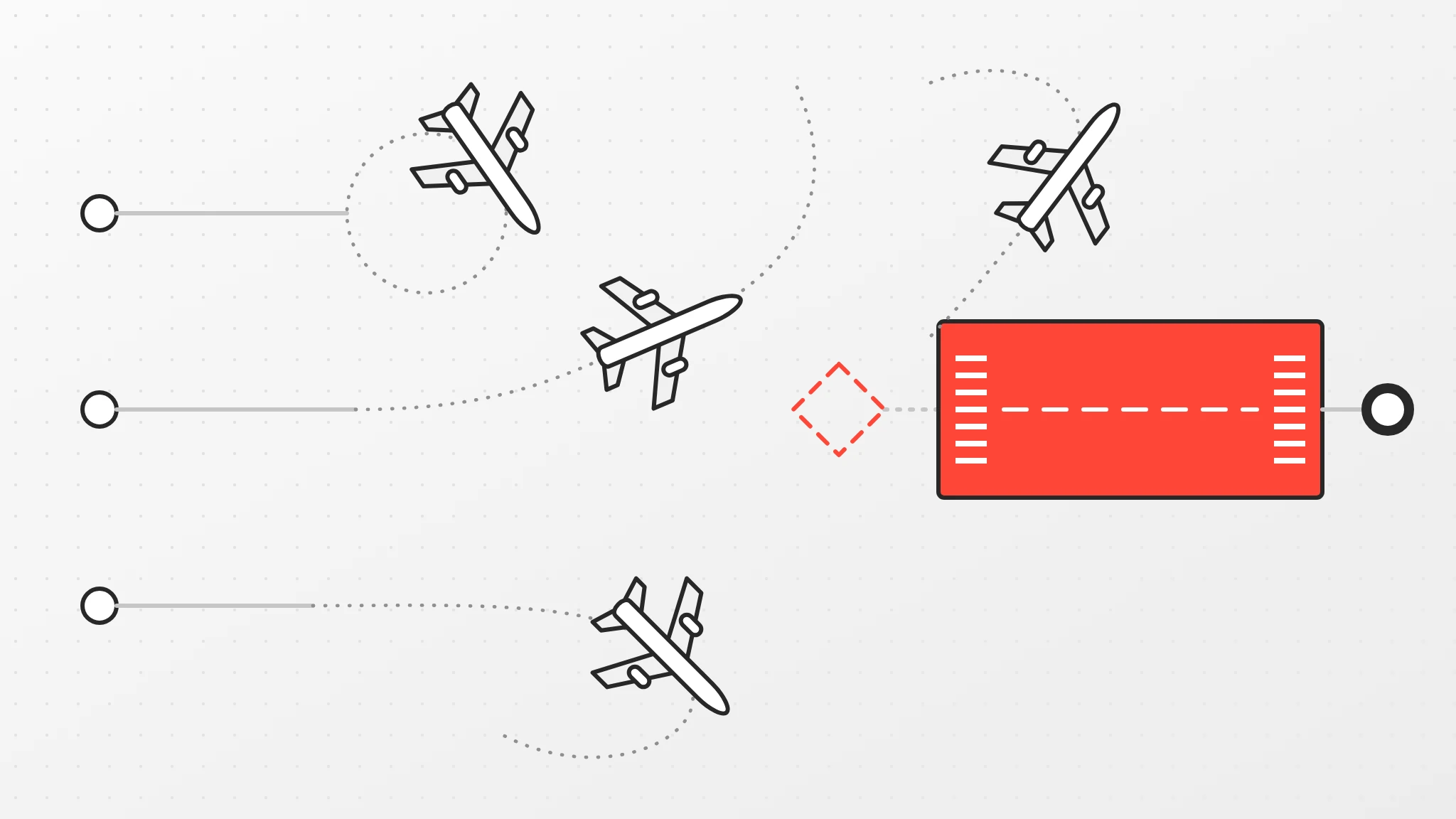
Most agent projects quietly stall at this moment. The AI was fine, but what was missing was an agentic orchestration platform around it, and the easiest way to see why is use the analogy of an airport: A pilot is only one part of a successful journey. It is the infrastructure around the flight that gets people to their destination.
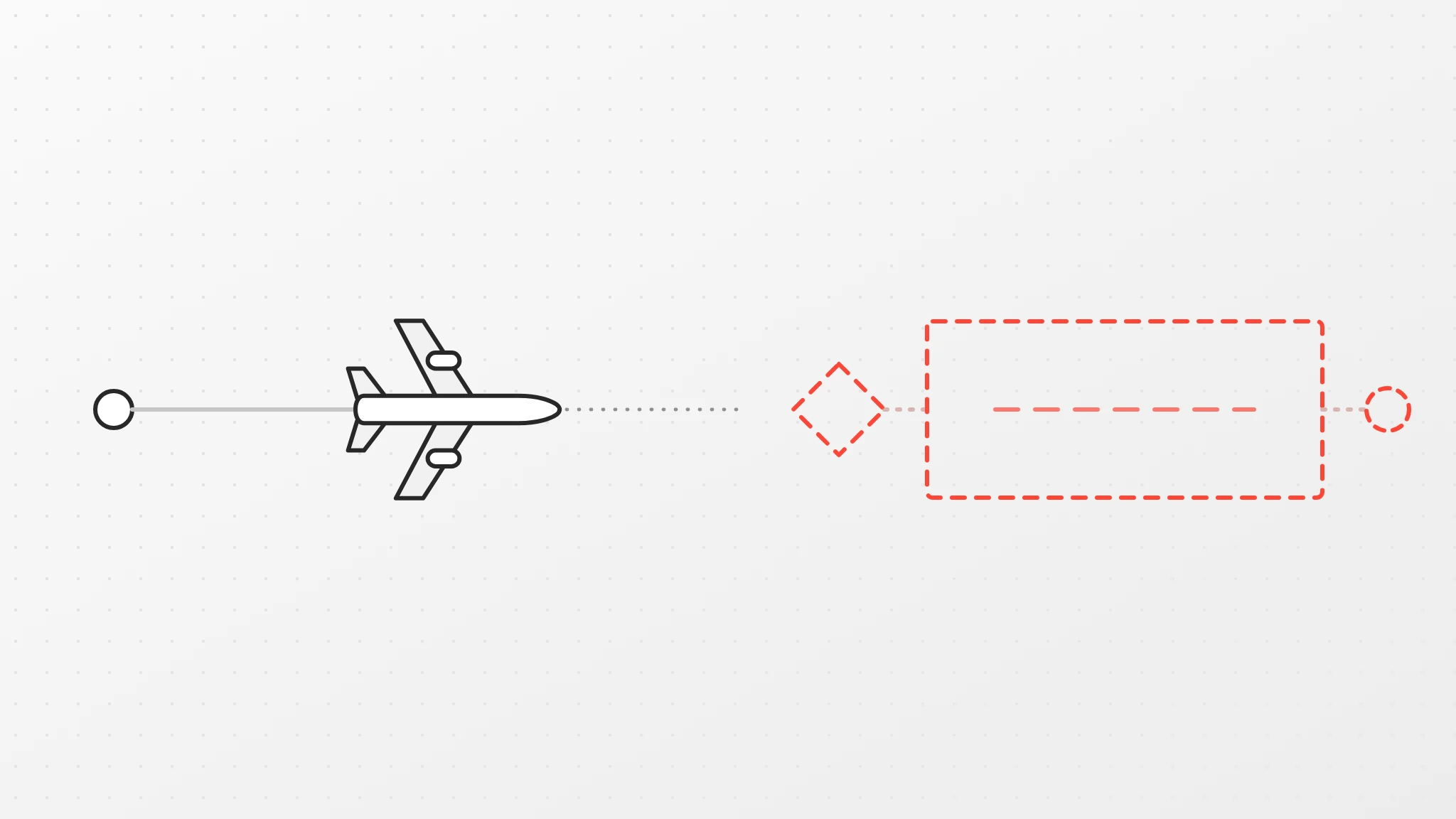
Your agents are great pilots. Nobody built the airport.
Pilots are remarkable specialists. Give one an aircraft and a clear route, and the flight is a thing of beauty. Nobody concludes from this that an airline can do without an airport. Yet that is how many companies treat their AI agents: they hire excellent pilots and then park them in an open field.
An airport is everything that turns a flight into a journey. It decides who takes off when, where a delayed passenger goes, who transports luggage to the connecting plane, and who picks up the phone when something goes wrong at three in the morning. Remove that infrastructure, and the pilots stay brilliant but nobody arrives anywhere.
An agentic orchestration platform plays this role for your business. Your agents stay as they are, but the platform adds the airport around them, and it keeps the passenger moving between flights. In business terms the passenger is the case: the invoice, the order, the onboarding, the claim. Agents work on it for minutes while the case lives for weeks, which is why “long-running AI agents” are more accurately described as “agents inside long-running processes.”
What the tower actually does
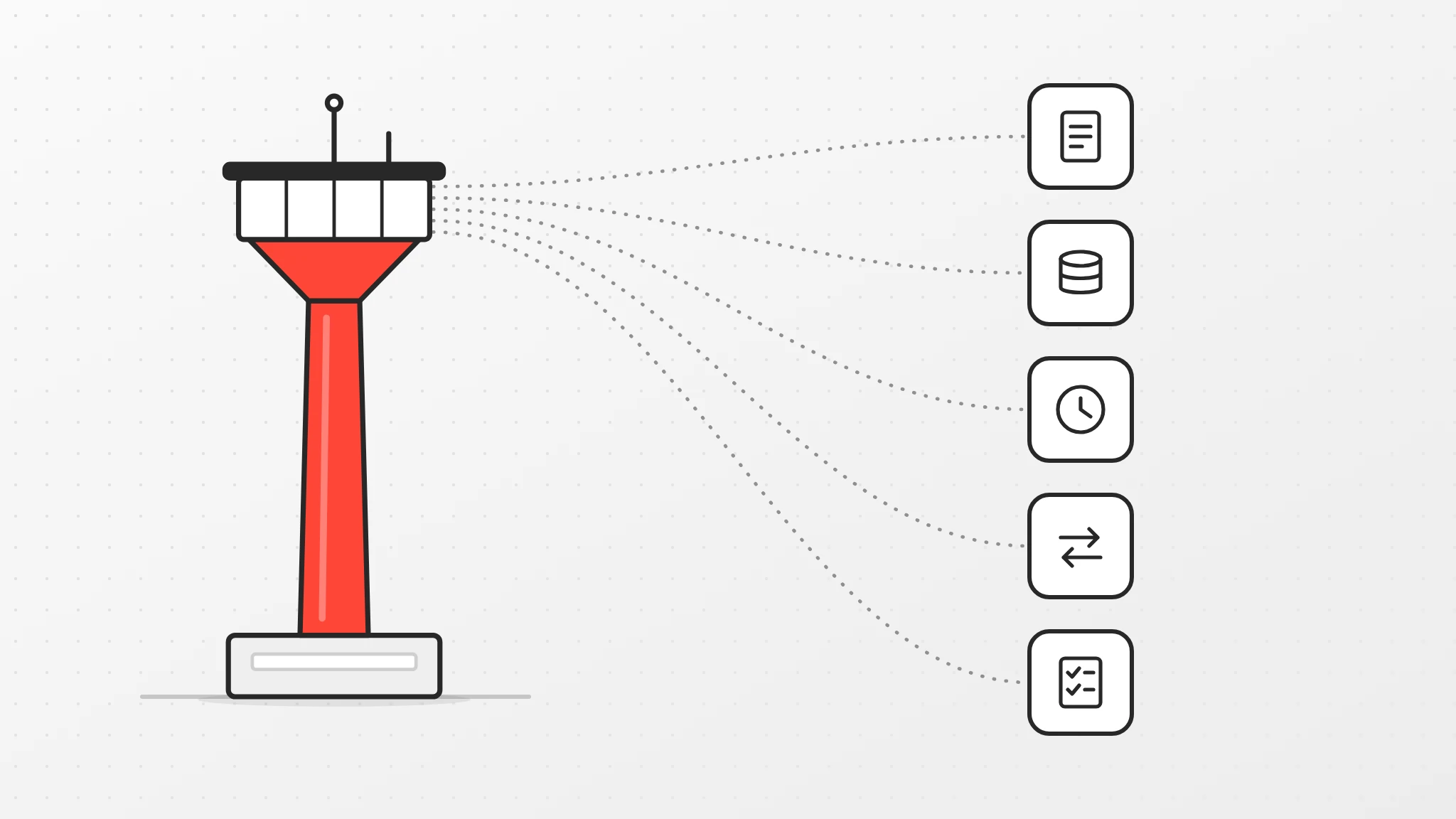
Airports run on a handful of unglamorous jobs, and each of them has an equivalent in your business processes.
- It starts from a flight plan. The route exists before the engines start, and the pilot’s skill goes into flying it well. In your company the flight plan is the process model: the steps, the checks, and the points where a person decides. Agents bring judgement to a step and leave the sequence alone.
- It remembers every flight. The tower knows where each aircraft is, where it came from and what it is waiting for. A platform keeps the same picture for every case, thousands at once, each with its own history.
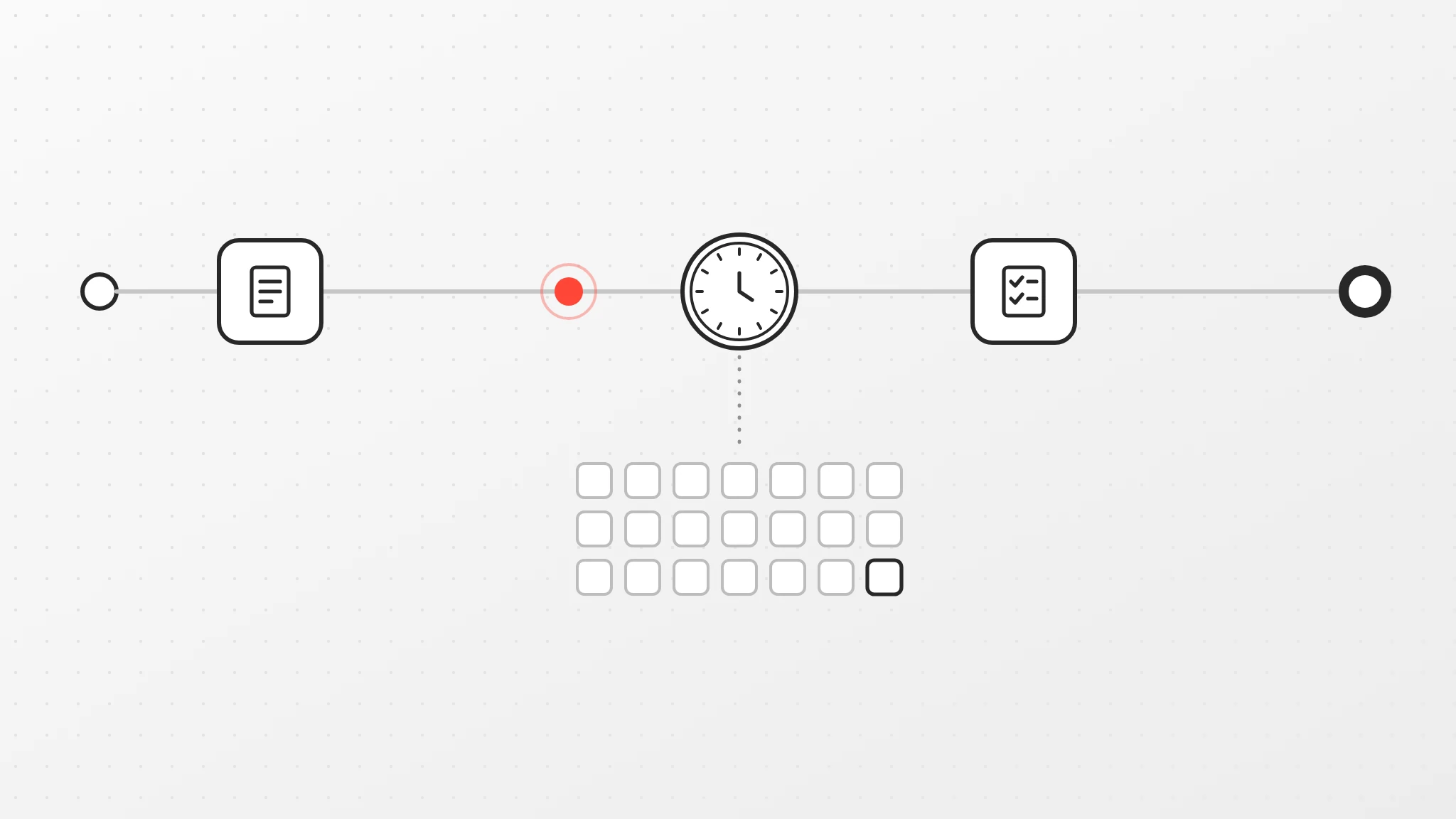
- It knows how to wait. Passengers wait for gates, crews wait for rest, cargo waits for customs. Business cases wait for people, deadlines, and replies. A platform treats waiting as normal and picks the case up the moment the reply lands.
- It hands over cleanly. When a flight leaves one controller’s airspace, the next controller takes over with the full picture. Your agents need the same handover, so that the next agent knows what the previous one found.
- It keeps the record. Every clearance, change, and decision is logged. When an auditor asks what happened on a given day, the answer exists.
These jobs look dull next to a language model, which is why they tend to be skipped. They are also what turns a flight into a successful journey.
When the flight is diverted
Now meet a CIO at a mid-sized manufacturer. She is fictional and probably familiar. In the monthly review she learns that an agent on the invoice process hit a case it had never seen: a supplier changed its bank details halfway through a payment run. In a world of free-running agents, somebody now hopes the model improvises sensibly.
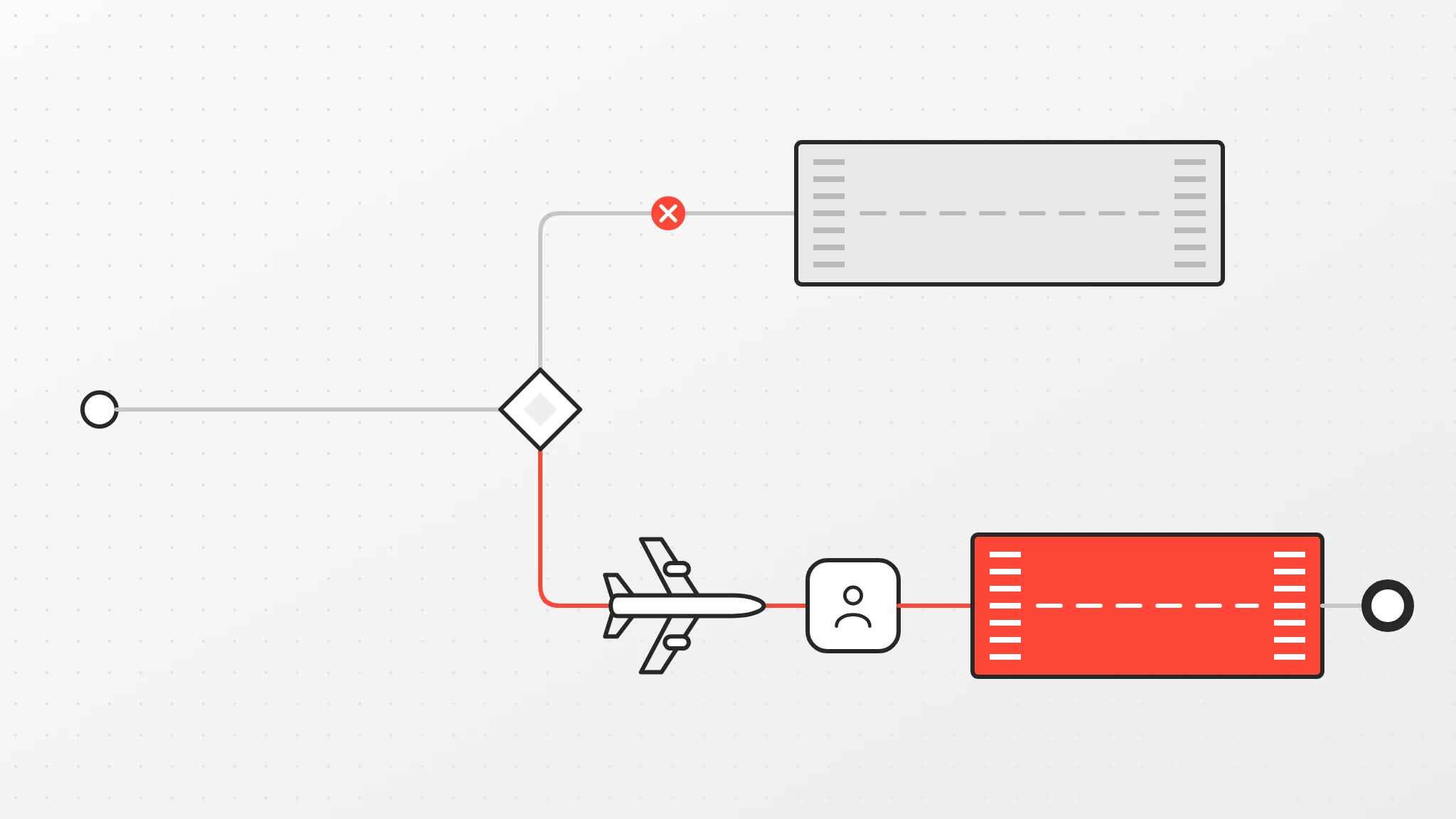
An airport handles a diversion differently. The alternates were chosen long before the weather turned, the controller sees the whole sky and the captain decides when it matters. Nobody improvises a route over a mountain range.
That is the useful meaning of re-planning. When a step fails, the case is paused instead of lost. The process takes a defined alternative, retries or escalates, and a named person decides what the situation needs. The flight lands somewhere sensible and everyone knows where, which is a higher bar than a clever plan nobody can follow.
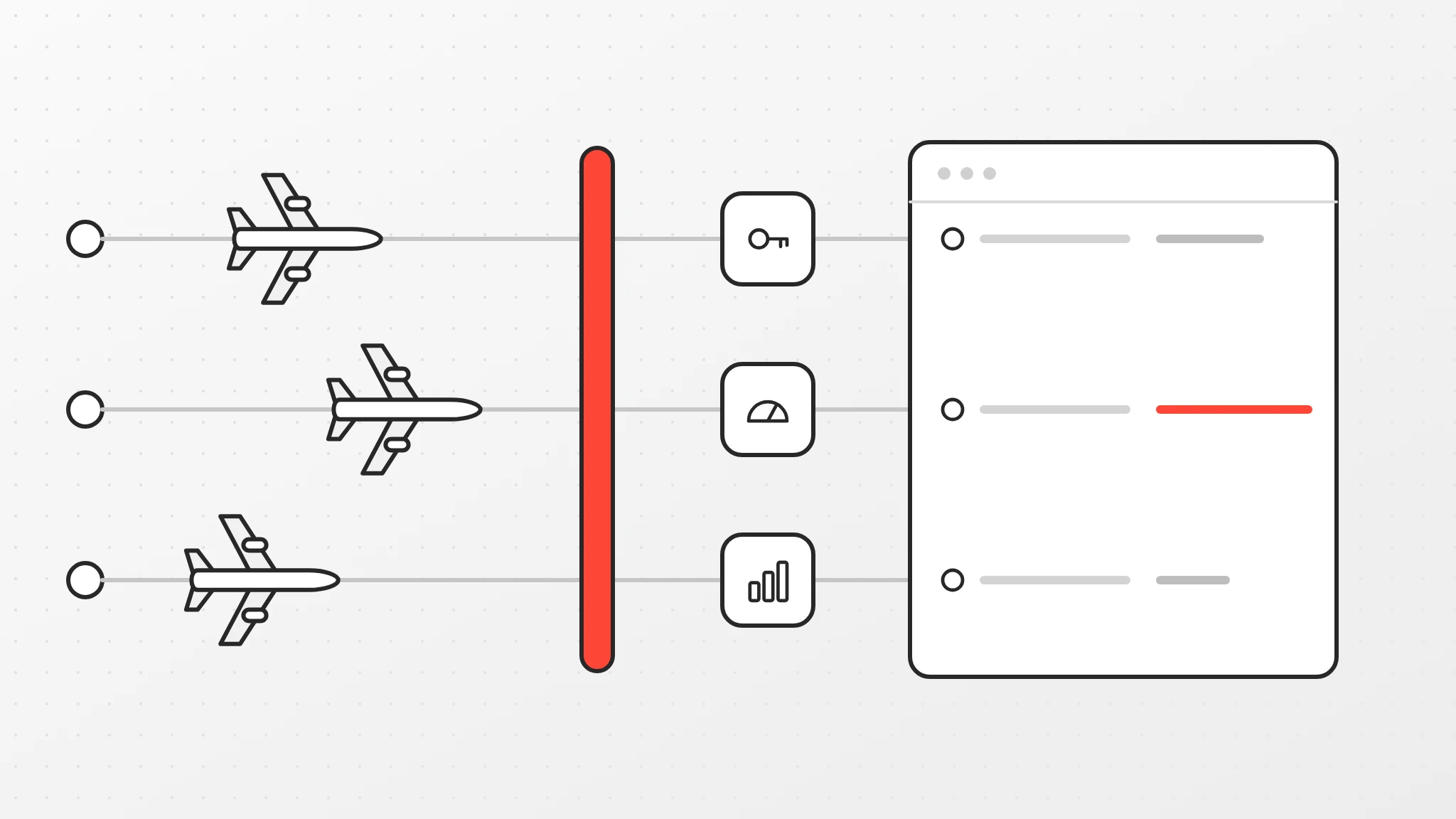
How Agent Hub works as an agentic orchestration platform
Scheer PAS Agent Hub is built on this airport logic, and it applies the principle of agentic process orchestration from the first agent. The flight plan is a process model, so the steps, the checks, and the hand-offs to a person are all defined before an agent runs. Agents do their work inside it. Where a case needs judgement, it stops at a review step and goes to a human.
A gateway sits between your agents and the models, with keys, budgets, and metrics for each agent, so nothing takes off without clearance and nobody is surprised by the fuel bill. Control Hub gives operations a view of what is running and ensures that changes reach production the same way that serious software does: specified, tested, and approved by your team.
The question to ask before your next agent demo
The next time a vendor shows you an impressive agent, ask the airport question. A case starts today, waits three weeks for a customer reply, and in the meantime the process model changes. What happens to that case?
If the answer is a pause, an audit trail, and a person who decides, you are looking at an airport. If the answer is a longer prompt, you are looking at a very good pilot standing in an empty field
