BLOG
Can You Trust AI Process Orchestration to Run Your Business?
July 21 | Sebastian Dietrich
Short answer: yes, but only when the AI is wrapped in real security, human oversight, and governance. Here’s what that looks like in practice.
Enterprise AI has quietly crossed a line. The first wave was about assistance: a model that helped an employee draft an email, summarise a report, or clean up some data. That was useful, but it was also safe, because a person was always the one deciding what to do next. What’s happening now is different. Through AI process orchestration, organisations are handing agents the authority to make decisions, talk to internal systems, coordinate with other agents, and carry entire processes from start to finish without a human pushing every button along the way.
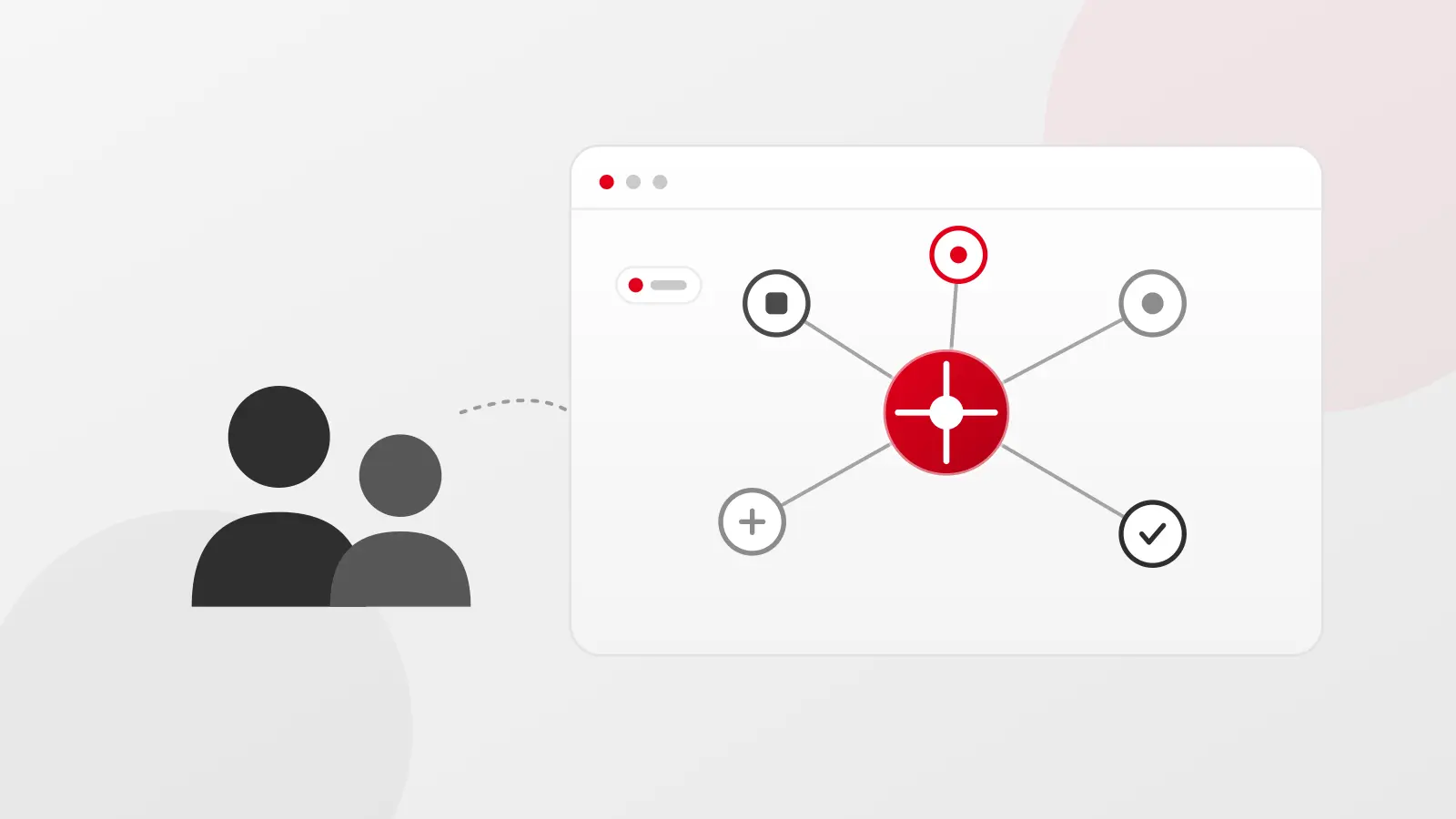
That’s a big jump, and it comes with an obvious productivity upside. But it also forces a question that most security and IT leaders are now asking out loud: can we actually trust an autonomous system to operate inside the processes that matter most to the business? In 2026, that question isn’t academic. Trust has become one of the deciding factors when enterprises choose an AI platform, right alongside capability and cost. The organisations getting this right share one thing in common: they don’t trust the AI model on its own. They trust the orchestration layer around it, which enforces security boundaries, human checkpoints, and governance on every action the AI takes.
Autonomy is not the same as being unsupervised
It helps to be clear about what’s actually changed. Traditional automation runs on predefined rules. It does exactly what you told it to do, every time, and nothing else. Think of a train on rails: reliable and predictable, but it can only go where the track already leads. AI agents are more like a taxi driver who knows the destination and reroutes around traffic on the way. They interpret a situation, weigh context, and decide on the next action rather than following a fixed script.
That flexibility is precisely where the value comes from, and it’s also precisely where the risk lives. An agent that can reason about what to do next can also reach a conclusion you didn’t anticipate, touch a system you didn’t intend, or take an action that’s hard to explain after the fact. So the goal for most enterprises isn’t to maximise autonomy. It’s to get the adaptability of AI while keeping the predictability of a well-structured business process. In practice that means embedding AI inside clear process boundaries, so that every action stays transparent, explainable, and tied to a business objective.
This is the core idea behind Scheer PAS Agentic Process Orchestration. Instead of tearing out established processes and hoping an autonomous agent figures things out, it adds intelligence to those processes while keeping enterprise-grade control over how they execute.
Keeping humans in the loop on purpose
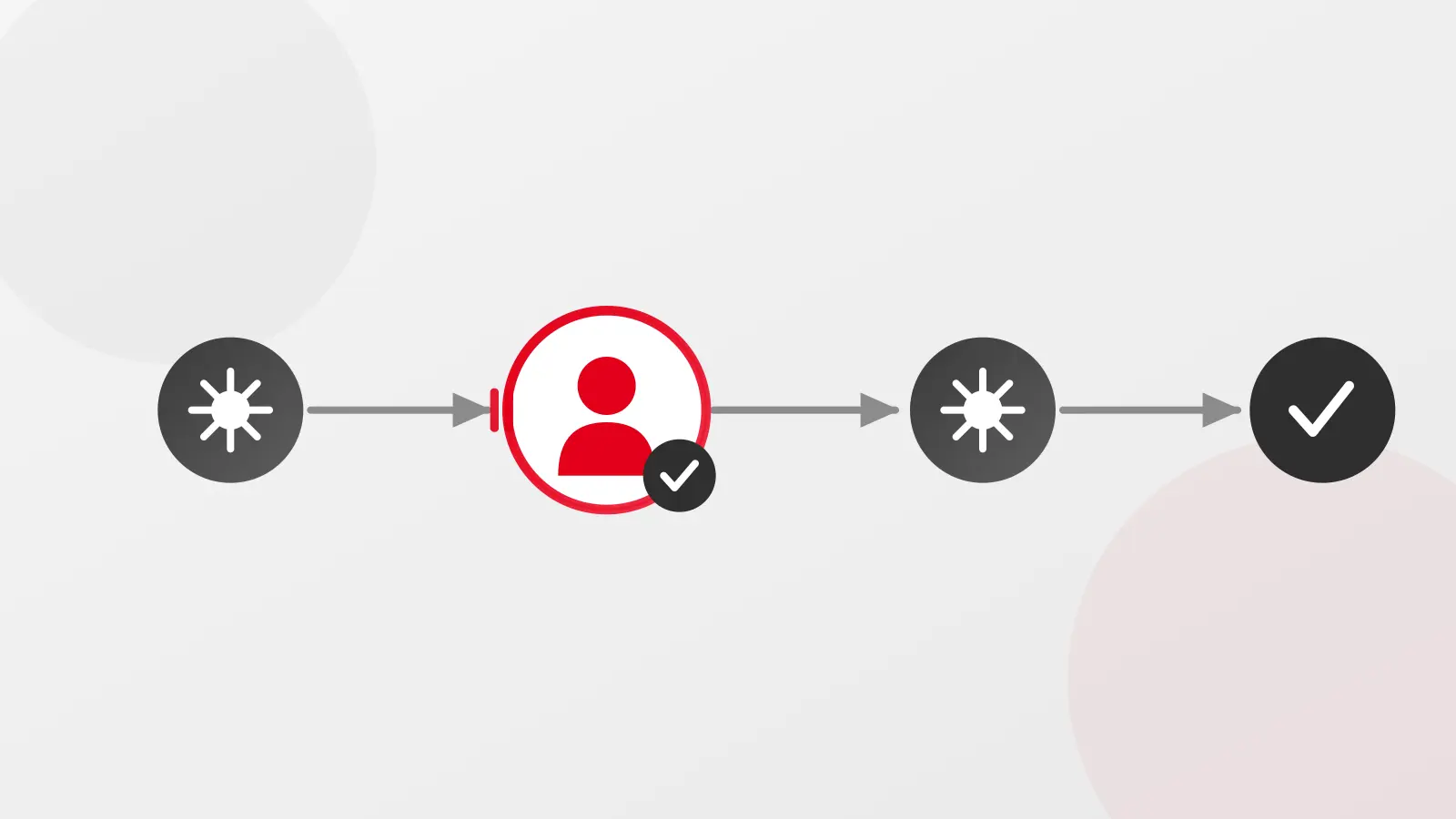
There’s a common assumption that the whole point of agentic AI is to remove people from the equation. In serious enterprise settings, the opposite is usually true. Some decisions will always need human judgment, whether because a regulator requires it, the financial stakes are high, an important customer relationship is involved, or the choice is simply too strategic to delegate.
The platforms that work well are the ones that let you decide exactly where a human has to sign off. It works a bit like a supermarket self-checkout: you scan and bag most items on your own, but the moment something needs judgment, like verifying an age-restricted purchase, an attendant steps in. Scheer PAS treats these human decision points as a native part of the workflow rather than a bolt-on exception. You can automate the parts that are safe to automate and route the sensitive moments to a person, all inside the same process. That’s what lets an organisation move fast without losing control of the decisions it can’t afford to get wrong.
No black boxes
A system nobody can explain is a system nobody should trust, and compliance teams have gotten very good at pointing this out. Business users, auditors, and IT all increasingly expect to see how an autonomous decision was reached and what the agent actually did to carry it out.
That makes detailed logging and execution tracing table stakes, not nice-to-haves. It’s the same reason aircraft carry a flight recorder: when you need to know exactly what happened and why, a complete record is the difference between an answer and a guess. And the value isn’t only in troubleshooting when something breaks. Full visibility into how agents behave is what lets teams optimise processes over time and build genuine confidence in what the AI is doing day to day. Scheer PAS is built to show this level of detail, so the people responsible for a process can see how agents contribute to outcomes instead of taking it on faith. When business and IT can look at the same trace and understand it, trust follows naturally.

AI process orchestration is a security control, not just plumbing
Most conversations about AI safety focus on the model itself: how to constrain it, align it, or filter its outputs. That matters, but it misses half the picture. The orchestration layer around the model is doing just as much security work, and often more.
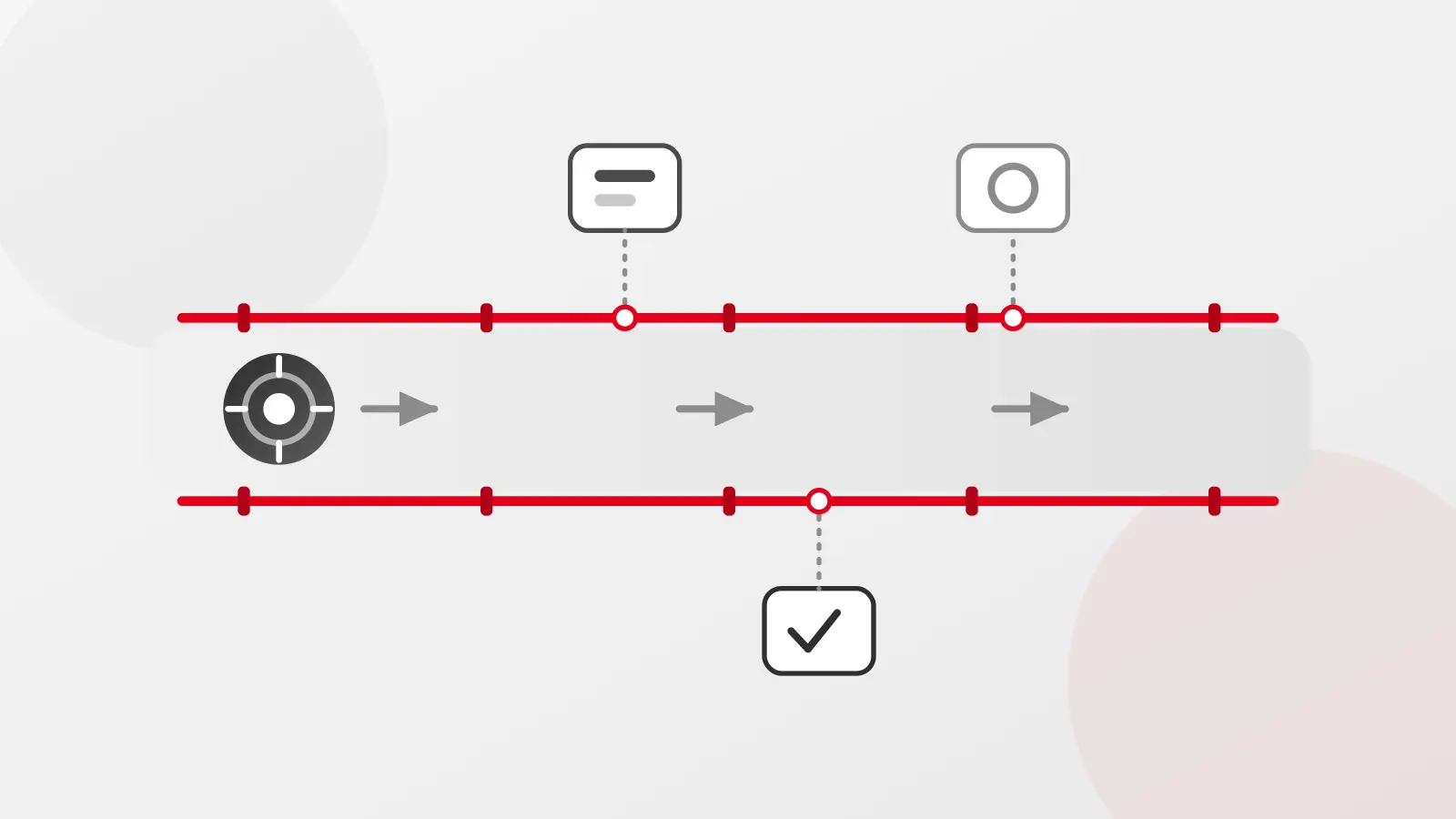
Think about what a business process actually defines. It sets where information enters the system, how a decision gets made, which systems an agent is allowed to reach, and when an exception has to be escalated to a person. Put an AI agent inside that structure and you’ve created real operational boundaries without hardcoding the agent into rigid rules. The process becomes a guardrail. This is the principle Scheer PAS is built on: agents are participants in orchestrated enterprise workflows, not free-floating components acting on their own, which keeps intelligent automation aligned with the organisation’s actual processes and governance standards.
Governance that’s designed in, not patched on
As AI spreads across an organisation, governance stops being something you can address later. It has to be part of the architecture from the beginning, the way building codes are followed while a house goes up rather than discovered during an inspection after the walls are already closed. That means centralised administration, clearly assigned responsibilities, controlled access, and consistent operating standards across every place AI touches the business.
Scheer PAS supports this directly through centralised administration of agents, flexible roles and permissions, configurable process integration, and transparent oversight of what’s running. The practical payoff is the ability to scale AI across departments and business units without governance fragmenting into a dozen inconsistent local setups.
Why this matters more in Europe
Organisations operating in Europe carry an extra set of expectations around digital sovereignty, transparency, and responsible AI. Regulatory frameworks are still evolving, so enterprises are looking for technology partners who understand these demands and can provide a foundation that holds up as the rules mature.
Scheer PAS was designed from the start for complex enterprise environments where governance, transparency, and process discipline are non-negotiable. By bringing process orchestration, integration, API management, and AI together in one platform, it gives organisations a controlled environment for introducing autonomous capabilities into existing processes without giving up operational control.
Trust is the platform
The future of enterprise AI won’t be decided by which model is the smartest. It will be decided by how well organisations can govern, orchestrate, and integrate autonomous capabilities into real operations. Powerful technology alone doesn’t get you there. You need transparency, structured execution, human oversight, and governance that was built in rather than added under pressure.
That’s why Scheer PAS approaches agentic AI from a process-first perspective. When workflows, APIs, data integration, and AI agents all live inside a governed orchestration platform, an organisation can move from traditional automation toward genuinely autonomous process execution while keeping the visibility and control it depends on. In the era of agentic AI, trust isn’t a feature you add on top. It’s the platform itself.
FAQ: AI-based process orchestration
AI process orchestration is the practice of embedding AI agents inside structured, governed business workflows instead of letting them act on their own. The orchestration layer decides where information enters, which systems an agent can reach, when a human has to approve a step, and how every action is logged, so the AI’s flexibility stays inside clear operational boundaries.
It can be, provided the AI operates within an orchestration layer that enforces security boundaries, human approval points, and full execution logging. The risk comes from unsupervised autonomy, not from automation itself. When agents are confined to defined processes and every action is traceable, enterprises get the productivity gains without giving up control.
Human-in-the-loop lets an organisation define exactly which steps require a person to review or approve before the process continues. Routine, low-risk actions run automatically, while decisions with regulatory, financial, or strategic weight are routed to a human, all within the same workflow.
Because the orchestration layer is where governance is actually enforced. It provides centralised administration, role-based access, and complete execution traces, giving compliance and IT teams the visibility they need to audit decisions and scale AI consistently across the organisation.

